
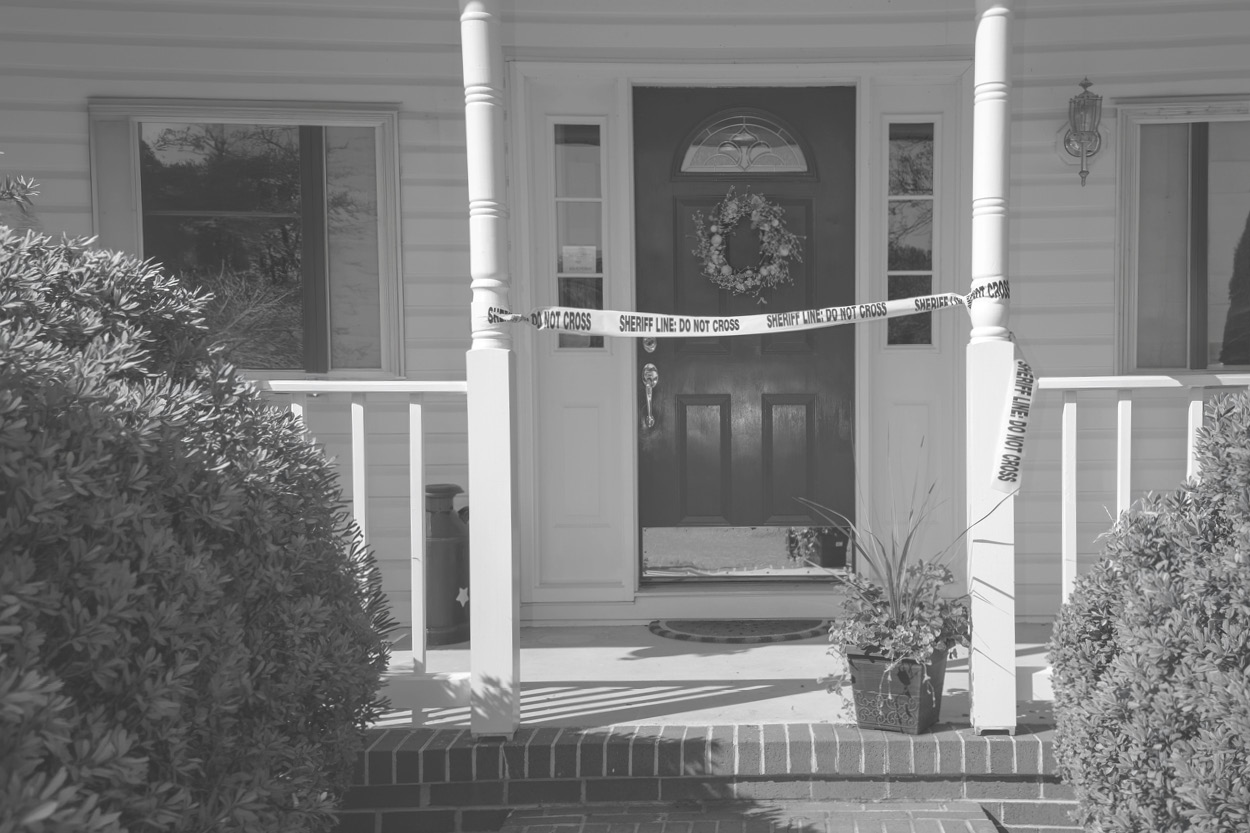
Some properties carry heavy emotional baggage, from infamous crimes and unattended deaths to viral rumors of paranormal activity. While these stigmas can slash market values by 10% to 30% and stall listings, some bargain-hunting buyers and investors will jump at the opportunity to get a home at a discounted price.
While standard title insurance doesn’t cover psychological stigma or emotional discomfort, stigmatizing events can create serious, hidden legal title issues — such as probate disputes, criminal forfeiture liens, and municipal remediation claims that require an experienced title partner to resolve.
When a buyer purchases a stigmatized home, title insurance protects their legal right to own the property, but many stigmatized homes hide complex legal title issues that require title insurance.
What Qualifies as a “Stigmatized Home”?
A stigmatized home is a property psychologically impacted by an event or association rather than a structural or physical defect. Examples of stigma include:
- Criminal stigma: Scenes of violent crimes, illegal drug operations, or high-profile felony activity.
- Tragedy and death stigma: Homicides, suicides, or long-unattended deaths.
- Phenomenological and paranormal stigma: Homes reputed to be haunted (like the famous Stambovsky v. Ackley “Ghostbusters” ruling).
- Public notoriety: Properties tied to infamous former occupants or viral media attention.
“Marketability of Property” vs. “Marketability of Title”
Homeowners often believe title insurance protects against any issue that devalues their purchase. However, this is a common misconception. Title insurance covers deficiencies, clouds, liens, and competing ownership claims in the legal chain of title — not issues that affect a property’s subjective appeal or reputation.
A marketable title is one that is legally clear of adverse third-party claims, valid mortgages, unrecorded easements, or judgment liens. While a bad reputation can impact a property’s market appeal, courts have consistently ruled that reputation does not render legal title unmarketable, and standard title insurance does not cover loss in value caused by a property’s past events.
Where Stigma Meets Real Title Risks
While the psychological stigma itself is not a title defect, events causing a stigma can generate title defects. Examples include:
Probate, Wills, and Heirs (the “Slayer Rule”):
When a death at a property involves foul play by a relative, spouse, or joint owner, real estate transfers are subject to complex legal barriers. This includes statutory “slayer rules” that disqualify perpetrators from inheriting property or proceeds. Instead, the property would likely be passed on to secondary beneficiaries or contingent heirs. Disputed wills, unprobated estates, or emerging missing heirs can also disrupt the chain of title and jeopardize ownership.
Civil Forfeiture, Restitution, and Criminal Liens:
Properties tied to illegal activities may also be subject to legal claims from state and federal authorities. If a home was used to facilitate illicit operations such as methamphetamine manufacturing or organized racketeering, law enforcement agencies may file a government lis pendens and initiate asset forfeiture proceedings. Criminal courts frequently attach restitution judgments and forfeiture liens to a defendant’s property to compensate victims or recover illegal profits.
Municipal Demolition Orders and Remediation Liens:
When a stigmatized property falls into severe neglect or presents a public safety risk, local authorities step in, often resulting in legal and financial encumbrances. This can include health department citations, mandatory environmental cleanup orders, or priority municipal abatement liens.
Creditor and Judgment Liens:
Financial issues can leave behind a paper trail of legal encumbrances that can complicate a property’s title long after the debtor moves out. Because these liens attach to the property rather than just the individual, they must be paid off or formally released before a clean title can be transferred to a new buyer.
Disclosure Rules and Real Estate Due Diligence
Depending on where a home is being sold, disclosure requirements vary dramatically by jurisdiction. For example, under the Illinois Real Estate License Act (225 ILCS 454/15-20), licensees have no duty to disclose that a property was the site of a homicide, suicide, natural death, or paranormal claim, nor can they be held liable for failure to disclose psychological stigmas.
While sellers and agents may not have an affirmative duty to disclose in certain states, they cannot make fraudulent misrepresentations or lie if asked directly by the buyer. There are, however, some exceptions. Under the federal Fair Housing Act, real estate professionals and sellers are strictly prohibited from:
- Unsolicited medical disclosures: Real estate licensees are prohibited from making unsolicited medical disclosures, including that a current or former occupant of a property has been diagnosed with AIDS or HIV.
- Direction based on protected classes: Agents cannot direct, steer, or encourage buyers toward or away from specific neighborhoods, buildings, or blocks based on race, color, religion, sex, disability, familial status, or national origin.
- Discriminatory commentary: Agents cannot make subjective or generalized remarks about the racial, religious, or ethnic composition of a neighborhood, nor can they answer questions designed to steer clients away from areas based on protected traits.
Actionable Takeaways for Real Estate Professionals
When selling a stigmatized home, REALTORS® and agents should be transparent and encourage buyers to conduct comprehensive neighborhood and public records research to determine if a property’s history is a dealbreaker.
Real estate attorneys and buyers should always insist on an owner’s title insurance policy to protect against the real legal fallout of past events and order municipal lien searches to ensure all environmental/health permits were properly closed if remediation took place.
The Landtrust Title Advantage
Real estate ghosts can linger in public perception, but the real threats are the legal skeletons hiding in public records. At Landtrust Title, our seasoned underwriting team conducts meticulous title searches to resolve complex probate issues, unearth overlooked judgments, and deliver clean, insurable title.
Navigating an unusual or complex transaction? Contact your Landtrust Title team today to ensure your closing is clear, secure, and hassle-free.